


Volunteering is a personal decision
Automation and AI are playing a massive role in our day-to-day lives. They optimize our calendars, curate our feeds, and answer our emails. But as these tools become ubiquitous, a nagging question keeps leaders up at night: Is technology getting in the way of the human connection, or is it actually protecting it?
Nowhere is this tension more palpable than in healthcare volunteer programs.
Volunteering is a deeply personal decision. People rarely step up for an Alzheimer’s society or a cancer support network because of a flashy national brand. They do it because of an intimate, often painful, personal connection—a parent’s diagnosis, a sudden loss, or a personal recovery.
When these volunteers walk through your doors, they expect a hyper-local, empathetic experience from their very first interaction. But as essential non-profits scale to serve more people, a severe operational paradox emerges: The Scale vs. Emotional Closeness disconnect.
The cost of bureaucracy
To operate safely and legally, growing healthcare organizations must implement strict compliance mandates, mandatory background screening, and enterprise-grade infrastructure. It’s non-negotiable.
However, when this heavy administrative burden is handled manually, it builds massive operational walls between headquarters and the community.
This administrative weight falls directly on the shoulders of local coordinators, leading to staff burnout and a staggering 33% volunteer attrition rate—a bleeding edge that the industry has simply accepted as a “historical norm.” Volunteers who sign up to make an emotional impact end up buried in paperwork, feel like a cog in a machine, and quietly slip away.
Insight: True operational excellence isn’t found in choosing between rigid compliance or unstructured empathy—it lies in building an ecosystem where technology handles the mechanics so humans can handle the connection.
The solution isn’t to abandon scale; it’s to lean into smart automation. By offloading the logistical weight to software, organizations give their staff and volunteers the ultimate gift: breathing room.
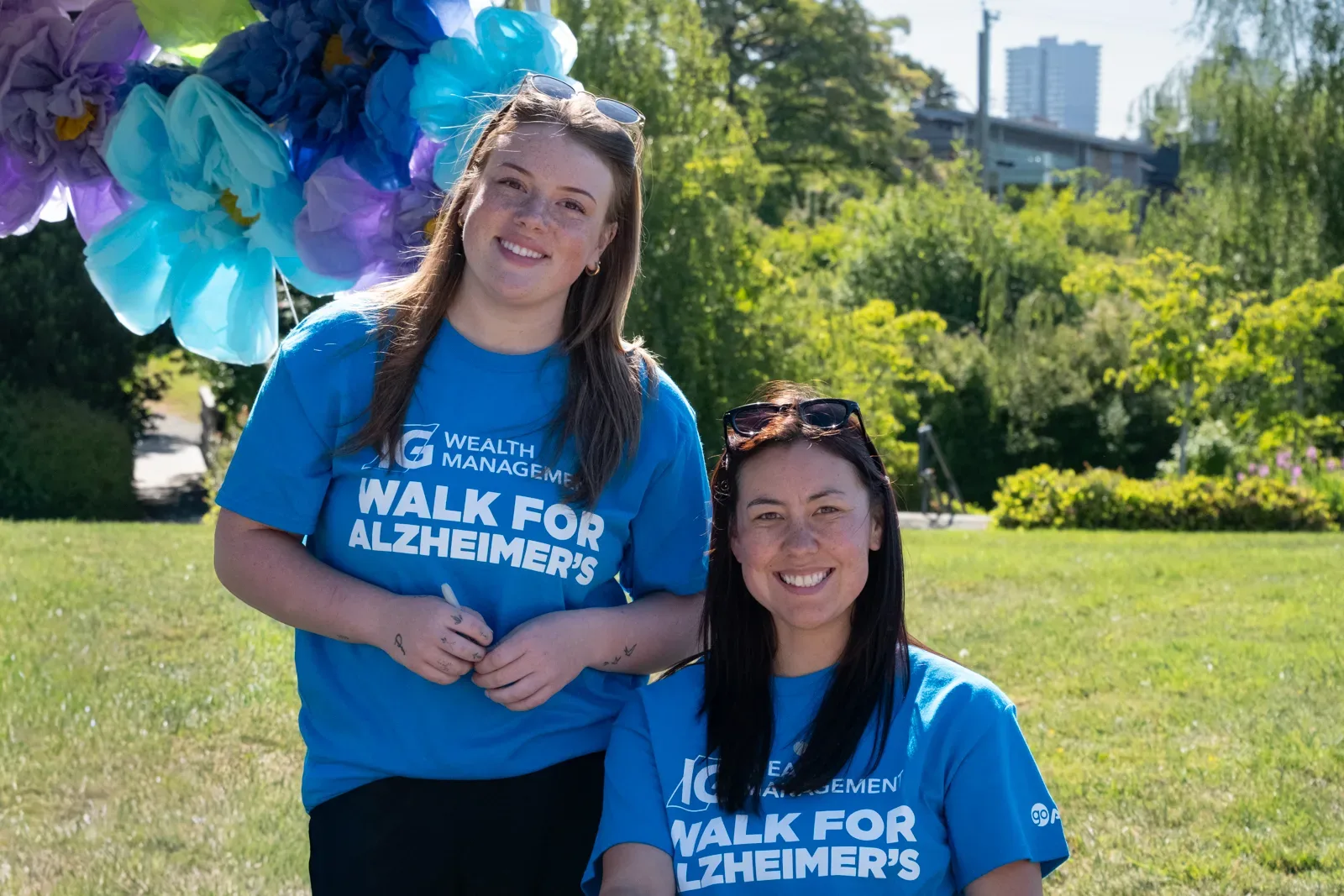
The Alzheimer Society of BC & Yukon Story
Before implementing a modern volunteer management solution, the Alzheimer Society of B.C. and Yukon lived this exact dilemma. As a large-scale charity, they faced a daunting operational challenge: how to scale massive provincial administration without turning a deeply empathetic, cause-driven mission into a sterile, corporate process.
When a program is pulled in two opposite directions – the pressing need to streamline daily tasks to keep up with service demands versus the community’s expectation for close, personal relationships – friction is inevitable.
The Alzheimer Society of BC & Yukon resolved this by centralizing and standardizing their database tracking and volunteer applications. But they didn’t just stop at efficiency. They took the extra capacity earned through automation and deliberately reinvested that saved time back into their volunteer community. This newfound breathing room allowed the organization to scale its programs, host more community events, and significantly raise public awareness—all while keeping their deeply human culture intact.
The Insight: True operational excellence isn’t found in choosing between rigid compliance or unstructured empathy – it lies in building an ecosystem where technology handles the mechanics so humans can handle the connection.
When technology handles the friction of compliance, local coordinators get their time back to make personal phone calls, run virtual orientations, and foster the genuine relationships that keep volunteers coming back.
1. Go from 'Gatekeeping' to a frictionless onboarding experience
Healthcare volunteering requires rigorous vetting. But traditional manual onboarding takes weeks of back-and-forth emails, physical paperwork, and delayed start dates, which rapidly drains a volunteer’s initial enthusiasm.
-
The High-Tech Play: Use centralized volunteer management systems that allow applicants to upload background checks, track immunization milestones, and complete training modules asynchronously.
-
The High-Touch Result: By stripping the friction from compliance, local coordinators get their time back to make personal welcome phone calls, run meaningful orientations, and foster genuine relationships.
2. Implement smart matching (The right person in the right room)
Not all volunteer placements are created equal. A premed student looking for clinical exposure has vastly different emotional drivers than a retired counselor.
-
The High-Tech Play: Use smart data filtering to tag volunteers by language proficiencies, unique life experiences, and personal interests.
-
The High-Touch Result: Instead of generic assignments, a volunteer who loves chess or speaks a specific dialect can be perfectly paired with an isolated patient who shares those exact needs. This instantly turns a standard check-in into a profound source of comfort.
3. Deploy agile, mobile-first scheduling
Rigid scheduling often leads to two frustrating extremes: volunteers sitting around with nothing to do, or critical patient gaps left entirely unfilled.
-
The High-Tech Play: Give volunteers mobile-first scheduling apps where they can claim shifts, swap slots, or respond to real-time, urgent alerts (such as a sudden request for a companion in palliative care).
-
The High-Touch Result: Autonomy prevents burnout. Volunteers engage on their own terms, meaning they show up to their shifts fully energized and emotionally present.
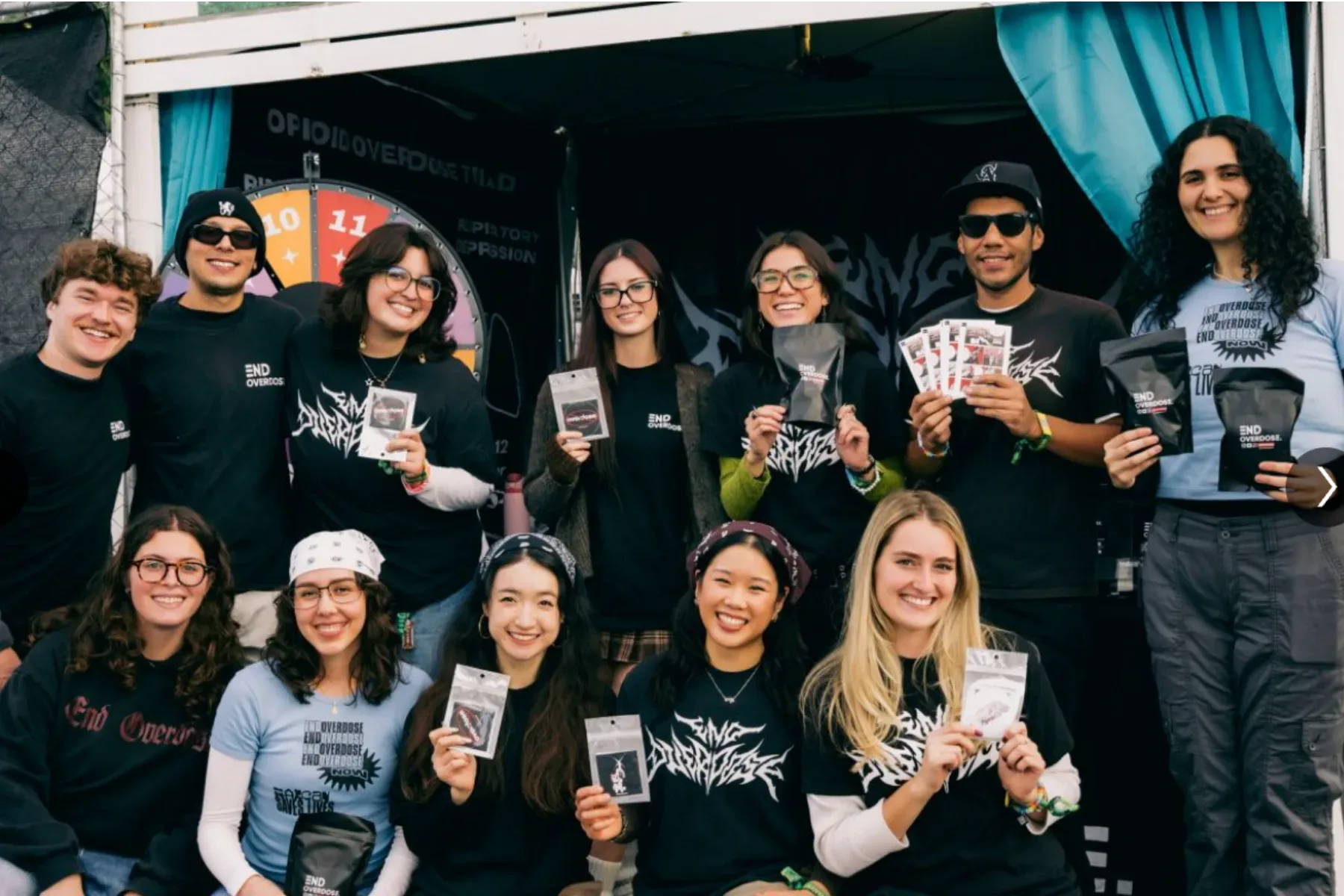
End Overdose
The End Overdose Story
This isn’t just theoretical. Look at the non-profit End Overdose. Facing a massive surge in demand, they couldn’t afford to let manual administrative work bottleneck their mission.
By implementing automated training and compliance workflows, they managed to scale their volunteer base by 150% (growing from 900 to over 2,500 volunteers). The kicker? They simultaneously cut their administrative time in half.
They didn’t lose their human touch by scaling; they used tech to clear the administrative clutter so their expanded volunteer base could save more lives.
The bottom line: Technology as an enabler, not a replacement
Ultimately, software cannot hold a patient’s hand, listen to a veteran’s story, or offer a reassuring smile to an anxious family member in a waiting room.
But what technology can do is dismantle the logistical barriers that keep willing hearts away from the people who need them most. When you automate the admin, you humanize the mission.
Ready to scale without the fear of losing the heart behind your program?
Discover the frameworks required to build large-scale programs without crushing the personal intimacy that drives your mission in our latest downloadable paper.






REQUEST A DEMO
Unlock the potential of your volunteer programme
Book a short discovery call with our team to learn how Rosterfy can help you grow your volunteer community while supporting your team