

Food insecurity is a significant issue in the United States, impacting millions of households. Based on data from the U.S. Department of Agriculture (USDA) released December 2025, 18 million U.S. households faced food insecurity representing 13% of U.S. households.
Various nutrition programs aim to mitigate the severity of food insecurity. Despite these efforts, the ongoing challenge emphasizes the need for robust public policies and support systems.
The state of food insecurity in the United States
Food insecurity refers to the lack of consistent access to enough food for an active, healthy life. It differs from hunger, which is a physical sensation of discomfort.
Levels of food insecurity range from low (reduced quality, variety, or desirability of diet) to very low (disrupted eating patterns and reduced food intake).
As of August 2023, over 26 million Americans struggle to afford enough food, based on the Census Bureau’s Household Pulse Survey. Food insecurity is also still closely related to other social issues in the U.S., such as poverty and racial disparities. Between 2021 and 2022, Hispanic populations saw the biggest rise in food insecurity (from 16.2% to 20.8%), compared to other demographics.
Across ethnicities, 33.1% of single mothers with children under 18 years were affected.
For many, food insecurity has significant connections to both physical and mental health issues, resulting in an estimated $77 billion in excess health care spending every year. Individuals with food insecurity are more likely to be obese, which then leads to a higher likelihood of chronic conditions like diabetes and cardiovascular diseases. Food insecurity is also regularly associated with poor mental health. Among a national sample of adults with serious mental illness, 23.9% reported low or very low food security.
Feeding America also reports extensive geographical disparities: 80% of high food insecurity counties are in Southern states. Urging for legislative action, such as the passage of a strong farm bill, is crucial to addressing this crisis.
The SNAP (Supplemental Nutrition Assistance Program) has change significantly as of early 2026. Following the passing of a bill in July 2025, the program is undergoing a substantial overhaul that is having an impact on families – it’s expected that roughly 2.4 million fewer people will be able to participate in the scheme.
Understanding the full scope of food insecurity requires awareness of these statistics and the impact of broader economic factors.
The impact of low food security on communities
Low food insecurity means households have access to enough food for an active, healthy diet. When communities achieve higher levels of food security, there are notable positive impacts on various social aspects.
Health: Adequate access to nutritious food reduces risks of diet-related diseases such as cardiovascular disease, diabetes, and certain cancers. Improved household food security leads to better physical and mental health for families, lowering healthcare costs.
Children’s Development: When children have reliable access to nutritious meals, their physical development is supported, and they experience fewer health issues. Consistent nutrition positively affects cognitive development and educational outcomes, leading to better school performance and higher graduation rates.
Economic Stability: Higher food security contributes to economic stability within communities. Families who do not struggle with food insecurity are better able to participate in the workforce and pursue educational opportunities, fostering economic growth.
Social Services: With decreased food insecurity, there is less strain on community resources and social services. Programs such as food banks and emergency shelters see reduced demand, allowing these services to focus on other critical needs.
Community Well-Being: Long-term food security enhances community well-being and sustainability. When households don’t worry about their next meal, community members are more likely to engage in civic activities and community building.
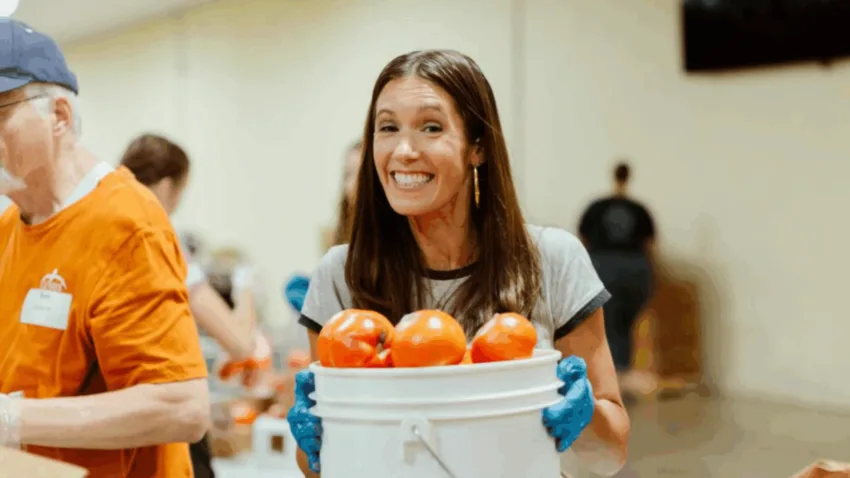
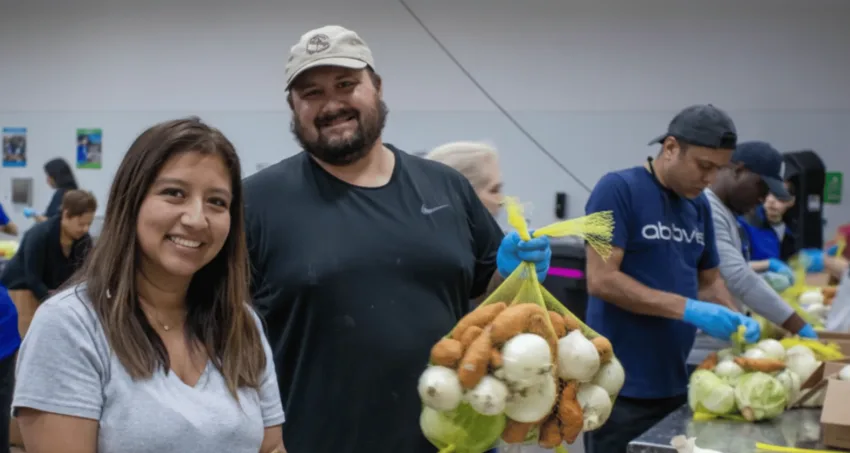
While addressing systemic issues like poverty and racism will also require civic engagement, beyond legislative changes, efforts to volunteer at your local food bank can be an effective way to support those struggling with food insecurity now. At times when nonprofit organizations themselves are carrying an enormous burden, using resources efficiently is the key. While most organizations can easily agree on long-term goals like healthier individuals, educational success, or a robust economic development, the individual steps can be challenging, especially for volunteer managers faced with dropping engagement.
Challenges facing charities and food banks
Increased demand, rising operational costs and volunteer recruitment challenges are having a significant impact on Food banks in the United States.
Funding and Resource Limitations: Many organizations struggle with limited funding and resources. Ongoing supply chain disruptions and droughts that contribute to higher grocery prices despite falling inflation rates have further strained budgets, making it difficult to purchase and distribute enough food.
Volunteer Support: Volunteers are essential, yet there has been a notable decline in volunteer numbers. This impacts operations significantly, requiring the implementation of efficient volunteer management programs. Organizations like the Denver Rescue Mission saw a 13% decrease in annual volunteers, and even large networks haven’t returned to normal levels since the pandemic, whether that’s the Northern Illinois Food Bank or the Feeding America Network, which reported 127 of its food banks still need volunteers.
Infrastructure Needs: Food banks are compelled to expand their infrastructure to accommodate increased demand. For example, they may need additional warehouse space, vehicles, and equipment.
Rising Demand: The need for food assistance is growing, especially among rural and urban areas. The Rural Hunger Facts highlight how rural communities face unique challenges in accessing food.
Nutrition and Education Programs: Providing access to federal nutrition programs and nutrition education remains critical. These initiatives help ensure that individuals receive not only sufficient but also nutritious food.
Addressing Inequalities: Disparities in food insecurity rates among Black and Latino individuals further complicate efforts. Specific strategies are required to support these communities effectively.
Overcoming Challenges: Strategies such as diversifying funding sources, leveraging technology for operations, and fostering strong community partnerships are essential for sustainability.
By addressing these challenges with clear strategies, food banks can continue their vital work in reducing food insecurity.
The path to healthy households and adequate food
To promote food security among households, several strategies can be employed. First and foremost, expanding programs like SNAP and WIC is crucial. These initiatives provide financial assistance to low-income families, allowing better access to nutritious food.
Community gardens and urban agriculture programs can offer fresh produce in food deserts. These efforts help in reducing food insecurity and improving diet quality.
Stakeholders would also focus on enhancing awareness through nutrition education. Teaching families about healthy eating patterns and making nutritious choices can significantly impact food intake.
As we’ve seen, food banks and pantries play a vital role in addressing food insecurity but face their own challenges, including limited funding and a decreasing number of volunteers. Encouraging employees to volunteer can help alleviate some of these issues and strengthen community support.
Nonprofits can explore partnerships with other businesses or organizations that can help bundle existing resources effectively. By doing so, you can ensure that support reaches those in need efficiently.
One of the key aspects of managing these efforts is efficient volunteer management and communication. This is where Rosterfy can make a significant impact. Rosterfy provides a suite of features for event management, internal and external communication, as well as volunteer management that can greatly ease the burden on volunteer managers. By streamlining the scheduling, training, and communication process, volunteer managers can focus on strategic initiatives rather than administrative tasks, while new volunteers benefit from a more streamlined onboarding process.
By focusing on these strategies, you can create healthier households and ensure that everyone has adequate access to food.
Streamline Your Food Assistance Program Today
Addressing food insecurity requires a coordinated effort between government programs, policymakers and community organizations.
Focus on developing robust networks involving community organizations and policymakers. A well-connected network facilitates the sharing of resources and best practices.
Coordination among different stakeholders, including government agencies and private partners, is vital. This multifaceted approach ensures comprehensive support for food-insecure populations.
To enhance program delivery, consider collaborating with partners like Rosterfy, who can help optimize workforce management in relief efforts. If you’d like to learn more about the ways in which Rosterfy can help, book a call today.
About Rosterfy
Rosterfy is used by non-profits, charities, sporting federations, and more to better manage their volunteer programs by improving how they can recruit, screen, train and retain volunteers.
Our market leading technology helps you create engaging experience throughout the whole lifecycle of your volunteer journey.
Explore additional blogs









REQUEST A DEMO
Unlock the potential of your volunteer program
Book a short discovery call with our team to learn how Rosterfy can help you better connect with, manage, and inspire your volunteers.