Why volunteerism matters to government
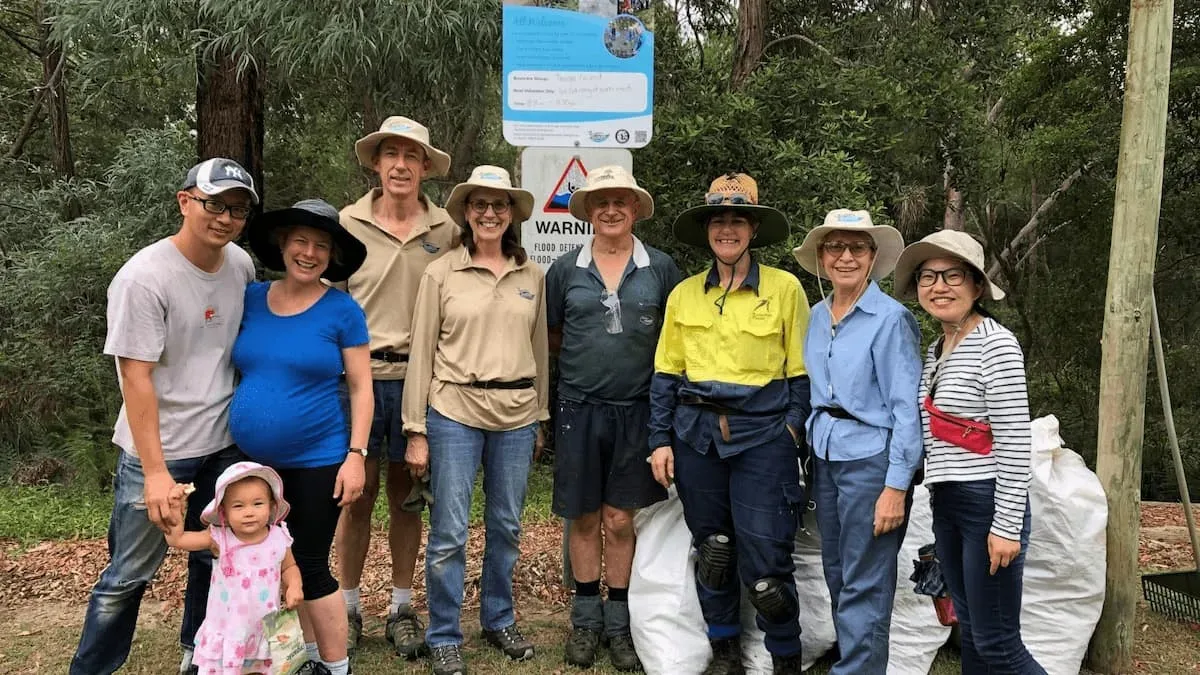
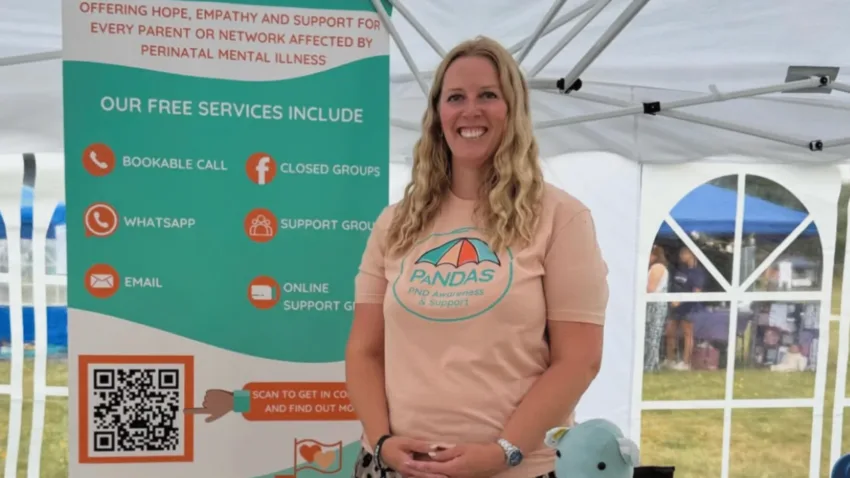
Volunteering is the quiet engine behind many of Australia’s most vital community services. From emergency response and environmental conservation to mental health and aged care, volunteers provide over 489.5 million hours of unpaid support annually — a figure that underpins not only economic resilience but also social cohesion (Volunteering Australia, 2023).
For government leaders, volunteer programs offer a unique opportunity: to extend public services, foster civic pride, and build community resilience—especially in an era where budgets are tight and expectations are high.
The state of volunteering in Australia
Here’s what we know:
- 6.8 million Australians volunteer formally or informally (Volunteering Australia, 2023)
- In 2020, total volunteer hours dropped by 34% compared to 2014, down to 489.5 million. (Volunteering Australia Key Statistics Report, 2024)
- Youth participation is declining, with volunteers aged 18–24 among the least likely to engage. (General Social Survey, ABS, 2021)
- Volunteer longevity is high — 42% of Australians have volunteered for over a decade.(AIHW, 2022)
- 88.7% of long-term volunteers (294+ hours per year) continue volunteering year after year. (Volunteering Strategy Consultation Paper, 2023)
The challenges governments must tackle
- Volunteerism is under pressure — and that has consequences for government programs that rely on it.
- Post-COVID Fatigue: Many volunteers haven’t returned since the pandemic. (Volunteering Australia, 2023)
- Burnout in regional Australia: Some towns rely entirely on volunteers, risking collapse. (The Guardian, 2021)
- Cost-of-living pressures are deterring even the most committed emergency volunteers. (Daily Telegraph, 2023)
- Administrative burden on council staff can stall volunteer engagement.
- Lack of data systems makes it hard to track volunteer impact.
The 5-step framework: Building a volunteer program that works
Here’s a practical roadmap for public sector leaders to build—or rebuild—a high-impact volunteer initiative.
Step 1: Align with community priorities
Tip: Start with a needs analysis using local data (council reports, Australian Bureau of Statistics ABS, consultations).
Ask: What are the key challenges our community is facing that volunteers could help solve?
Example: A rural council identifies isolation in older adults as a top issue. It launches a volunteer companion program coordinated with local services.
Research shows that communities with active volunteer programs experience higher levels of citizen engagement and community cohesion. Volunteerism not only fosters meaningful connections and promotes general wellbeing, but also provides pathways to employment through skills development and valuable networking opportunities.
Step 2: Design for impact, not just activity
Tip: Use a logic model or impact framework to set goals that matter:
e.g., “Improve food security for 500 households by June 2026.”
Tools: Volunteering Australia’s National Strategy for Volunteering (2023)
NSW Office of Social Impact Measurement Tools
The Children’s Hospital Foundation (CHF) enhanced volunteer engagement using Rosterfy, automating onboarding, compliance checks, and shift tracking across 8+ programs. With a 75% attendance target and deep reporting capabilities, CHF now aligns volunteer efforts with patient impact.
Step 3: Embrace smart technology
Tip: Streamline recruitment, onboarding, and communication with digital platforms.
- Automated role matching
- Easy background check integration
- Impact tracking dashboards
- Centralised volunteer recruitment and onboarding with Rosterfy
Real-World Example:
The British Heart Foundation grew to 6,000+ compliant volunteers while reducing admin by 75% with digital systems saving approximately $380,000 AUD per year thanks to streamlining admin processes and improving data accessibility.
Step 4: Diversify and sustain volunteer pipelines
Tip: Tailor strategies for different demographics:
Youth: Offer micro-volunteering or skills-based opportunities that provide flexibility, making it easier for younger volunteers to contribute meaningfully to your organisation.
Culturally Diverse Communities: Co-design programs with local leaders
Corporate Volunteers: Partner with local employers for group volunteering days
Step 5: Track, celebrate, and report impact
Tip: Volunteers want to know they made a difference.
Use surveys, infographics, and brief reports to show outcomes.
What to measure:
- Hours contributed
- Community members supported
- Skills gained
- Public service improvements
Support Ideas:
Offer Rewards: Secure merchandise, apparel, tickets, or event access in exchange for hours volunteered.
Redeem Rewards: Allow volunteers to track and redeem their rewards directly through a volunteer portal.
Commercialise: Partner with sponsors to commercialise your reward and recognition program.
Gather Insights: Monitor reward inventory and generate reports on what’s been offered and redeemed.
Conclusion: From civic spirit to scalable impact
Volunteerism is not just a “nice to have”—it’s a force multiplier for public services, especially in regional and under-resourced areas.
But to unlock its full potential, governments must treat volunteering as a strategic function: data-informed, community-driven, and future-focused.
By following this guide, your department or agency can build a volunteer program that not only works—but lasts.
About Rosterfy
Rosterfy is used by nonprofits, charities, sporting federations, local governments, and more to better manage their volunteer programs by improving how they can recruit, screen, train, and retain volunteers.
Our market leading technology helps you create an engaging experience throughout the whole lifecycle of your volunteer journey.
Explore additional blogs








REQUEST A DEMO
Unlock the potential of your volunteer program
Book a short discovery call with our team to learn how Rosterfy can help you better connect with, manage, and inspire your volunteers.