

The best volunteer recruitment strategies combine three things: clear role definition, the right mix of outreach channels (referrals, social, partnerships, job boards), and a low-friction sign-up-to-onboarding process. Organisations that pair recruitment tactics with automated screening and onboarding consistently see faster time-to-first-shift than those relying on manual, spreadsheet-based processes.
Volunteer recruitment plays a vital role in the success of any volunteer program. Whether you’re running a nonprofit, a sports federation, a food rescue operation, or a local government initiative. Getting the right people in the door, and getting them onboarded quickly, is the foundation everything else is built on.
This guide brings together 18 proven strategies, organised from planning through outreach, accessibility, screening, and retention-linked recruitment so you’re not piecing advice together from a dozen different sources.
Why does a volunteer recruitment strategy matter?
A clear volunteer recruitment strategy helps you attract the right people, turn more applicants into active volunteers and keep them engaged for longer. Without one, recruitment can become reactive, with teams scrambling to fill roles before an event or program begins. This can lead to poorer matches and more volunteers dropping out early.
A strong strategy helps you:
- Attract a wider, more relevant pool of applicants
- Improve the conversion rate of applicants to active, onboarded volunteers
- Get more people through onboarding and training without drop-off
- Run a more compliant program, with visibility into every applicant’s status
- Build a community around your cause that sustains itself through referrals
Before you recruit: Build the plan
1. Define your volunteer requirements first
Before writing a single job ad, define exactly what you need: the skills, time commitment, and any physical or compliance requirements for each role. Vague postings attract vague applicants. Get specific about what a volunteer will actually do, how many hours you need, and what “success” in the role looks like. This becomes the backbone of your job description and your screening criteria later.
2. Set goals and KPIs before you launch
Define what you’re trying to achieve. A number of new volunteers, a coverage target, or an engagement outcome before you start recruiting. For example: “recruit 100 new volunteers in the next month” is a goal you can measure and adjust against. Without a target, you can’t tell whether a channel or campaign is actually working.
3. Write a job description that sells the role, not just lists it
A strong volunteer job description states the role’s impact, the time commitment, and what the volunteer gets out of it. Not just a list of tasks. Include the organisation’s mission context, specific responsibilities, and any tangible benefits (training, references, flexible scheduling) so candidates can self-select in or out honestly.
4. Build a marketing plan around your target audience
Identify who you’re actually trying to reach by age, location, interests, and availability before choosing channels. A campaign aimed at retirees looking for a few hours a week needs different messaging and channels than one aimed at students seeking resume-building experience.
The definitive guide to successful volunteer recruitment
Empower your team, increase your knowledge of the volunteering sector, and build a more impactful volunteer program with this white paper.

Golf Australia revolutionised it's volunteer program by making it accessible to all, targeting younger volunteers through university outreach
Golf Australia: A new generation of volunteers
With the average age of its volunteers over 60, Golf Australia wanted to use technology to attract and engage the next generation of golf volunteers. Take a look at how they did it.
Widen the pool: Accessibility and flexibility
13. Offer virtual and short-term micro-volunteering options
Virtual volunteering (admin, marketing, graphic design, fundraising support) and short-term “micro-volunteering” tasks remove the two biggest barriers: location and time commitment. When you remove these barriers you open your program to people who couldn’t otherwise commit. Onboard virtual volunteers with the same rigor as in-person ones so they still feel part of the team.
14. Build genuine accessibility into every role
Supporting accessibility including physical access, multiple languages, accommodations for hearing or visual impairment expands your recruitment pool to talented volunteers who are routinely excluded elsewhere. This isn’t a compliance afterthought; it’s a direct recruitment advantage against organisations that haven’t done the same work.
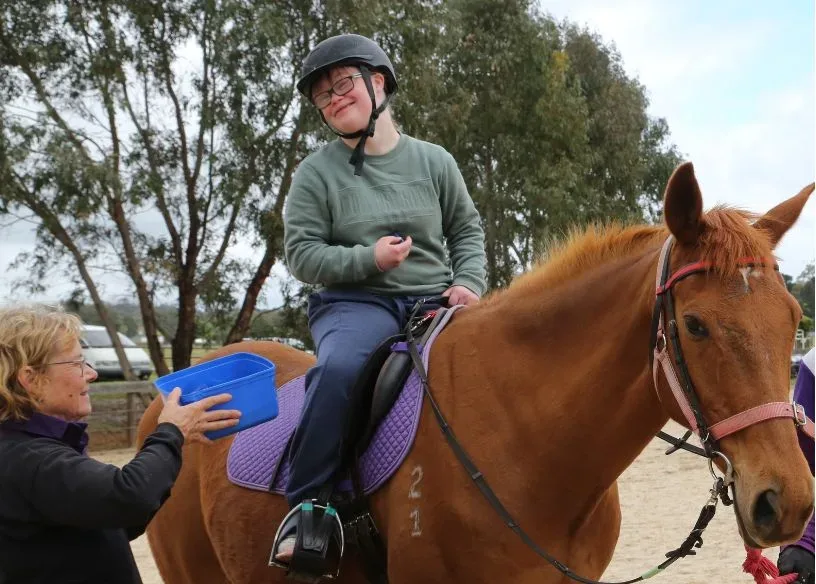
ASAPD represents eight National Sporting Organisations for Disability (NSODs) and selected Rosterfy to create a more connected, scalable and sustainable volunteer ecosystem.
Convert applicants into active volunteers
15. Use a registration form that captures what screening actually needs
A good registration form collects contact details, location, relevant skills or certifications, and motivation. Enough to screen and match roles without becoming a barrier to completing sign-up. Keep it online and connected to your volunteer management system so responses can automatically route to the right screening or onboarding step.
16. Screen thoroughly, proportionate to the role
Screening including background checks, reference checks and interviews protects your community and your organisation, and should scale to the sensitivity of the role rather than being applied uniformly. A role working directly with vulnerable people needs a different bar than a one-off event shift.
17. Automate onboarding so applicants don’t go cold
The single biggest point of volunteer drop-off is the gap between applying and actually starting. Automated onboarding (confirmations, training modules, scheduling) closes that gap before interest fades. Manual, spreadsheet-driven onboarding is where recruitment effort most commonly gets lost.
Keep the pipeline going: Retention-linked recruitment
18. Recognise and reward volunteers publicly
Reward and recognition including shout-outs, milestone certificates, small tangible tokens don’t just retain existing volunteers, they generate the word-of-mouth and social proof that fuels the referral strategy above. Recruitment and retention aren’t separate efforts; a well-recognised volunteer is your best future recruiter.
About Rosterfy
Rosterfy is used by nonprofits, charities, sporting federations, local governments, and more to better manage their volunteer programs by improving how they can recruit, screen, train, and retain volunteers.
Our market leading technology helps you create an engaging experience throughout the whole lifecycle of your volunteer journey.
Explore additional blogs











Frequently Asked Questions
There’s no single “most effective” strategy. The highest-converting combination is typically referrals from existing volunteers paired with a low-friction, automated onboarding process, since referred volunteers already trust the organisation and fast onboarding stops that trust from cooling off before their first shift.
For short-term or event-based recruitment, focus on channels that can reach people quickly. Social media, corporate volunteering partners and your existing volunteer or donor database are good places to start. Keep role descriptions short and make the timeframe clear, so volunteers know exactly what they’re signing up for.
Yes. A volunteer management platform like Rosterfy centralises applications, automates screening and onboarding communications, and gives coordinators visibility into where applicants drop off, which directly addresses the gap-between-signup-and-first-shift problem that causes the most recruitment effort to go to waste.
REQUEST A DEMO
Unlock the potential of your volunteer program
Ready to see how Rosterfy helps organisations recruit, screen, and onboard volunteers faster? Book a call with our team to see the platform in action.