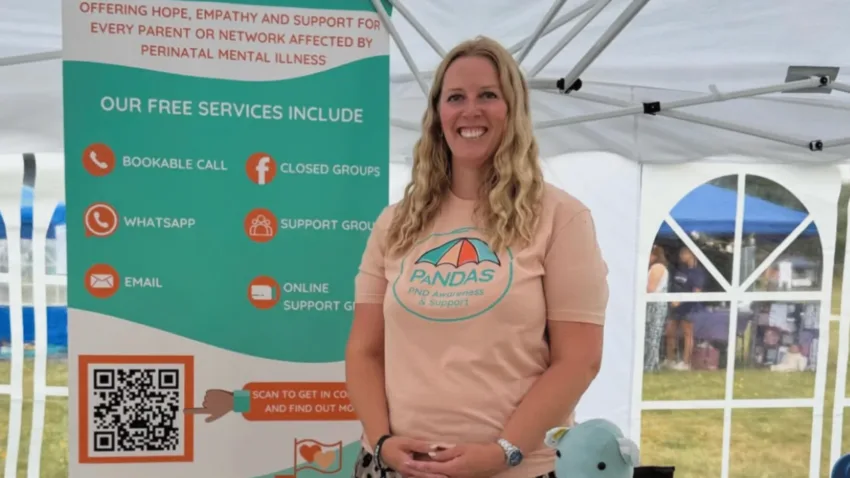
Between recruiting volunteers, managing budgets, staff, events and an ever-increasing need for services, it can be hard for nonprofits to find time for much else.
That’s why, when it comes to marketing, social media is your best friend. Social media marketing is a powerful tool that can help nonprofits increase awareness, reach and impact. It’s free, it’s simple to use and easy to update, and it’s the best way for your organization to reach your target audience and build a community of followers and supporters. In fact, a recent Hubspot survey found 48% of nonprofits believe social media is very valuable.
So to get the most out of social media, it’s worth spending a bit of time creating a simple nonprofit social media strategy that can help lighten the burden and increase efficiency. Every moment spent planning will save you hours of time scrambling down the track!
Keep reading to find out why social media marketing is important, what types of content you should be posting and which social media network is best, plus, a free social media content calendar template you can use.
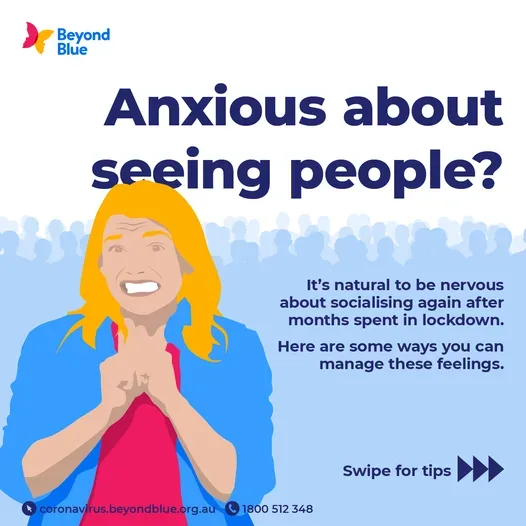
2. How to design a nonprofit social media strategy template
The simplest way to design a social media strategy template is with the use of a content calendar. This calendar can include the content (images and copy), platform and even time you want to post. Planning ahead not only takes the pressure off, but also gives you the chance to really think about what types of content will really engage your followers. In general, the further ahead you plan your digital content, the better positioned you are to produce a consistent flow of content.
Ideally, you want to create a calendar for the next three months to save you scrambling to find something to post, but it can also be done month by month. And for types of content, the general rule of thumb is 80% informational or entertaining content, versus 20% direct promotional content. This will ensure your followers aren’t always feeling like they’re being sold to, and will help grow your audience. If you can, posting daily on each social media channel is recommended.
Start by filling in major events and holidays that you can easily create social media posts for, such as public holidays, fundraising events or activities in your community. Awareness and cause days like International Volunteer Day on 5 December and Earth Hour at 8:30pm on a Saturday in late March can be key opportunities to get your organization and its mission out there. You should be able to come up with some easy content around these dates.
Next, think about some content related to your cause or within your industry that could be helpful and engaging. This might be educational, informative, or exciting news that your followers want to know about. Fill in these post ideas in empty spots on the calendar.
In any gaps, you can add in post ideas related to nonprofit fundraising, recruiting volunteers or promotions. Remember, to keep followers engaged, these types of posts should be kept to a minimum.
Of course, you can still be spontaneous by sharing any additional spur-of-the-moment content on top of these planned posts, for example, keeping your target audience up to date with your fundraising efforts or any goals your organization has achieved.
3. How to maximize social media engagement
Even with great content, a solid plan of attack and a large tribe of followers, sometimes the mysterious algorithm means not many people see your posts. In that case, you can try these additional tips to maximize your nonprofit social media strategy:
- Use hashtags to reach new audiences.
- Add your geo-location to localize your post.
- Make it fun with the use of emojis, stickers and polls.
- Always use correct spelling, grammar and punctuation.
- Make sure your profile picture is optimized (not blurry or stretched).
- Regularly change your header/banner photo. Use the space to showcase upcoming events or fundraising drives.
- Use the free software Canva.com to create eye-catching visuals that are optimized for the banner size. You can also use it to create graphics, posts, posters, GIF’s and more.
- Invite followers to comment and engage through the use of questions.
- And always respond to them!
- Make your posts visually appealing by designing them on the free design platform Canva or other similar programs.
- Did you know you can schedule posts on Facebook? That way, you can publish in the evening or weekend, even if you’re not working.
- There are also multiple scheduling apps available for Instagram and other social media accounts – experiment with some free trials and see which one works best for you.
- Don’t be afraid to get personal. After all, it’s called social media.
Read more: Check out these 20 amazing nonprofit advertising campaigns that exploded on social media.
4. How to increase visibility on social media
Here are a few additional social media for nonprofits tips to help you increase the visibility of your nonprofit organization on social media:
- Join and post in local community groups on Facebook to reach local audiences and recruit volunteers.
- Alternatively, create your own group related to your nonprofits mission or industry. For example, if you operate in food rescue, consider creating a group such as ‘Food Waste Recipes’ where you can share your own recipes, and invite others who are interested in this topic to join the discussion. Just remember, this is not another page to only talk about your brand, instead use it as an opportunity to lead discussions, ask for ideas, talk about trends and learn from each other.
- Tag others in your posts. For example, if you are running an event, tag any sponsors or suppliers. Or if you’re running a raffle, make sure you tag any companies who donated prizes. Not only is it great for them, but they might also share your post with their audience, significantly increasing your visibility.
- For brands, a live broadcast is a way to gain visibility and drive interaction. Studies have shown that Facebook and Instagram Live streams increase website click-throughs, as well as personalizing the brand.
- Get to know your analytics. Facebook for business offers an incredibly robust analytics tool that helps you understand who your followers are, when they’re engaging with you, and what is working and what isn’t, so you can tweak your content accordingly.
- Always respond to comments or questions in a timely manner. Consider installing Businesses on Messenger to interact directly with your Facebook Page fans. Your level of responsiveness will be displayed on a badge on your page.
- If you have even a small budget, consider paying for Facebook ads that are aimed at boosting awareness.
5. How to stay up to date on trends
The one thing about social media is that it’s always changing. New algorithms, trends, and social media channels are always cropping up, so it’s important to stay informed and keep up to date with changes, implementing them into your social strategy.
If you want to keep learning, take a look at these helpful social media training for nonprofits resources:
- Facebook offers free online training courses to help you learn more about using Facebook as a marketing tool.
- LinkedIn runs webinars to help nonprofits grow their reach and get their message noticed after the pandemic.
- TikTok runs a campaign aiming to inspire and encourage a new generation to have a positive impact on the planet and those around them.
- Follow @nonprofits on Twitter who share tips for how nonprofits can optimize their Twitter account
6. How to use contests and giveaways as part of your nonprofit social media strategy
Contests are a highly effective way to drive engagement on your social media pages. Encouraging people to engage with your post to enter will help drive views on that post amongst their friends, thus increasing your page’s reach to a whole new audience without spending a cent.
When it comes to prizes, it doesn’t have to be big or expensive, but it does have to be something connected to your organization or your mission. Some popular prize giveaways include:
- A gift voucher for your services
- A prize donated from a local business
- Hamper
- A local business voucher
- Annual membership
- Merchandise
- Dinner with the chairperson or founder
- Chairperson or founder speaking engagement
- Free tickets to an event
Some simple types of content for contests include:
- Like to win
- Comment to win – participants leave a comment or answer a question
- Caption contest – either the best caption (you choose) or the one with the most likes wins
- Fill-in-the-blank contest – ask participants to answer a trivia question
- Tag a friend – ask them to tag a friend to enter
While the contest may be run on social media, that doesn’t mean you can’t promote it elsewhere. Use your email list, website and other social media sites to drive more people to enter. Encourage your staff, volunteers or donors to share the contest on their accounts as well.
Remember to include the promotion end date, and mention how you will choose and announce the winner. Always publish the winners name, and even better, if you can, try to get a photo with them!
Tracking your performance
After all this hard work, you want to track performance so you can show the results to leaders of your nonprofit to highlight the importance of social media marketing.
- Followers: If this is increasing, you’re doing a good job of attracting more people to your page.
- Engagement: Use analytics tools like Facebook Analytics or Instagram Insights to track engagement over time. Take note of the highest performing posts, and try to analyze why they out-performed others.
- Sentiment: Read through the comments, looking out for any recurring themes or any negative comments. If the majority of your engagement is positive, this is creating positive brand sentiment. Sites like socialmention can help you dive further into your brand sentiment.
- Link tracking: Before you share links to things like a nonprofit fundraising campaign, creating a unique URL can help you track how much $ was directly generated from social media campaigns. Use Google Analytics to create custom links.
Having access to this kind of information will help you improve your nonprofit social media campaigns, engage your audience and increase your nonprofits reach and impact.
About Rosterfy
Rosterfy is used by nonprofits, charities, sporting federations, local governments, and more to better manage their volunteer programs by improving how they can recruit, screen, train, and retain volunteers.
Our market leading technology helps you create an engaging experience throughout the whole lifecycle of your volunteer journey.
Explore additional blogs







REQUEST A DEMO
Unlock the potential of your volunteer program
Book a short discovery call with our team to learn how Rosterfy can help you better connect with, manage, and inspire your volunteers.