
If you manage volunteers, you already feel the volunteer experience gap even if you’ve never had a name for it. It’s the space between what your programme can realistically deliver with the admin resources you have, and what volunteers now expect from any organisation they give their time to. Closing that gap is a coordinator’s job, not a marketing slogan, and it starts with understanding exactly where it opens up.
What is the volunteer experience gap?
The volunteer experience gap is the difference between the simple, digital experience volunteers expect and the manual processes many organisations still use. Volunteers want it to be easy to sign up, check their shifts and understand the impact they’ve made. When the volunteer experience becomes difficult or time-consuming, engagement can quickly drop.
Why does the volunteer experience gap land on coordinators, not just volunteers?
The volunteer experience gap often falls to volunteer coordinators to solve, despite limited time and resources. Rosterfy surveyed more than 300 volunteer managers and found that 88% said volunteers were mission-critical, yet only 44% actively invested in the volunteer experience. Burnout, leadership expectations and internal challenges were among the biggest barriers to doing more.
What is the recruit-onboard-engage-retain framework for volunteer experience?
Recruit, onboard, engage, retain is the framework Rosterfy uses to help coordinators find exactly where their volunteer experience gap opens up, rather than treating “volunteer experience” as one vague problem to fix all at once. Each stage of the volunteer lifecycle carries its own version of the gap, and each needs a different fix:
- Recruit: how easily a prospective volunteer can find a role, understand it, and apply
- Onboard: how quickly and clearly a new volunteer gets from sign-up to their first shift
- Engage: how connected a volunteer feels to the cause and the team between shifts
- Retain: how a coordinator recognises time given and turns one-off volunteers into repeat ones
How do you close the volunteer experience gap at recruitment?
At the recruitment stage, the volunteer experience gap shows up as friction before someone even joins. A role that’s hard to find, an application that takes too long, or a sign-up process that feels like a job interview all cost coordinators volunteers they never see. Closing this stage of the gap means:
- Making roles easy to browse and understand in plain language, not admin-speak
- Cutting the sign-up process down to the fields a coordinator actually needs
- Offering both one-off and ongoing roles, since flexible commitment consistently drives higher engagement
How do you close the volunteer experience gap at onboarding?
At onboarding, the volunteer experience gap shows up as delay between a volunteer saying yes and a volunteer actually starting. Every extra manual step, spreadsheet, or unanswered email in this window is a chance for enthusiasm to cool off. Mayor’s Fund for London closed this stage of the gap by giving young volunteers a mobile-first sign-up and scheduling experience instead of a paper-based one, because a mobile app was the baseline expectation for the people they work with.
Engaging the next generation of volunteers
"We needed something more engaging for young people. The reason we chose Rosterfy is because of the built-in engagement and accessibility of the app."
How do you close the volunteer experience gap at engagement?
At the engagement stage, the volunteer experience gap shows up as silence. Volunteers who don’t hear from a programme between shifts, or who can’t easily see what’s changed, disengage even if they haven’t formally quit. Clear, timely communication and visible scheduling close this stage of the gap, and they don’t require more staff time, just fewer manual steps between a change happening and a volunteer knowing about it.
How do you close the volunteer experience gap at retention?
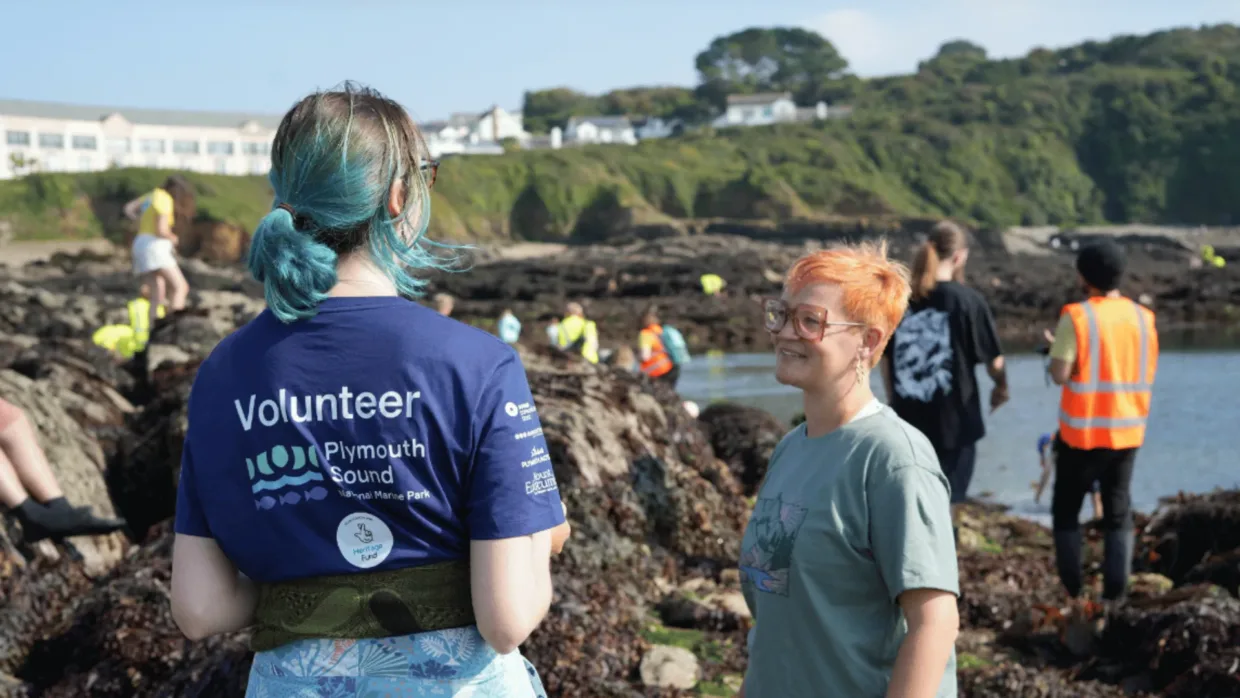
At retention, the volunteer experience gap shows up as volunteers who came once and never came back. Flexible commitment options and visible recognition are what close this stage. Plymouth Sound National Marine Park offered both one-off and ongoing roles side by side and saw a 200% increase in active volunteers, alongside a lighter admin load for the team managing them.
Rosterfy makes everything easier
"Because we've got the system now, we've been able to grow the programme. Rosterfy makes it easier to track everything, keep on top of where everyone needs to be, and see how they're getting on. Communication has improved and it's a lot easier to manage more people well."
How do you build a business case for improving volunteer experience?
Building a business case for improving volunteer experience means giving senior stakeholders the same kind of evidence they’d expect for any other investment decision. Most volunteer managers already know volunteers are mission-critical. The harder part is proving it in numbers leadership will act on. A solid business case needs:
- Current vs. future state mapping: where your programme sits today against each stage of the recruit-onboard-engage-retain framework
- Evidence of ROI: concrete data on admin time saved and retention gained
- Confidence in solutions: proof you’ve researched what’s available and matched it to your programme’s needs
- Clear next steps: a practical template that turns the case into an actual approval
Build a business case for a better volunteer experience
Rosterfy’s Building a Business Case for a Better Volunteer Experience resource includes worksheets, an ROI calculator, and templates for each of these four pieces.
Closing the gap for good
Volunteers aren’t defined by age or background. They’re defined by what they do next after a good or bad experience. Coordinators who work through the recruit-onboard-engage-retain framework, one stage at a time, close the volunteer experience gap without needing to solve everything at once. See how Rosterfy’s platform supports every stage of the volunteer experience, from recruitment through to retention.
Frequently Asked Questions
The volunteer experience gap is the difference between the frictionless, mobile-first experience volunteers expect from every other part of their lives and the slower, manual, admin-heavy process many organisations still run.
Recruit, onboard, engage, retain is the framework Rosterfy uses to help coordinators find exactly where their volunteer experience gap opens up, rather than treating volunteer experience as one vague problem to fix all at once.
The volunteer experience gap is a coordinator problem because coordinators carry the operational weight of closing it with limited time and tools, and Rosterfy’s survey of 300+ volunteer managers found 88% call volunteers mission-critical while only 44% actively invest in their experience.
Yes. Organisations that closed gaps at the onboarding and retention stages, such as offering flexible one-off and ongoing roles, have seen measurable increases in active volunteers alongside a lighter admin load.