
The Recruitment Engine: How End Overdose scaled their national workforce by 150%


In 2026, the United States is witnessing a fascinating paradox. We are currently in the midst of the International Year of the Volunteer, and public willingness to help has reached a decade-high. According to recent data from RKD Group, volunteer participation has rebounded to 63%, with citizens looking to reconnect with their communities at rates we haven’t seen in years.
From disaster relief to local coaching, the “demand to do good” is surging. Yet, beneath this wave of enthusiasm lies a national obstacle: The Technology Gap.
While the spirit of volunteering has modernized, the infrastructure hasn’t kept pace. Currently, only 38% of US volunteer programs utilize a dedicated Volunteer Management System (VMS), leaving the majority of the sector struggling with manual processes that stifle growth.
To turn a fleeting “willingness to help” into a lifelong commitment, we must move beyond simple rostering. This has led to the rise of sophisticated engagement engines like Rosterfy, which utilizes a purpose-built native mobile app to meet volunteers where they are – on their phones – providing the real-time interaction and seamless UX necessary to bridge the gap between a signed-up supporter and a fully engaged advocate.
When an organization relies on fragmented or basic systems, the experience suffers on both sides of the screen:
The experience void: Modern supporters expect a “consumer-grade” experience. Without a personalized portal or instant mobile updates, volunteers feel like a cog in a machine rather than a hero in a mission.
The virtual high-5: If you aren’t clearly showing impact through stats and digital recognition, you’re missing the chance to validate your supporters’ efforts.
The data chasm: Most basic systems “trap” data. RKD’s research reveals that “Double Value” supporters (those who give both time and money) are twice as valuable as standard donors. Without a system that tracks this engagement, you lose the data needed to increase donations or support high-stakes grant proposals.
While many volunteer scheduling tools are designed to lift the administrative burden off your team, there is a significant difference between managing a workforce and cultivating a community. Basic tools excel at filling shifts, but they often lack the engagement triggers needed to eliminate the “one-and-done” volunteer experience.
To bridge the gap between a single shift and a lifelong advocate, forward-thinking organizations are choosing platforms designed for long-term growth. To keep supporters coming back, these leaders are prioritizing:
Personalized volunteer portals: Giving supporters a branded, digital home where they can track their own impact, manage their schedule, and feel like a valued part of the mission.
Bespoke corporate environments: Offering dedicated links and custom-branded landing pages for corporate partners to streamline their CSR initiatives and strengthen high-value relationships.
Intelligent, interest-based matching: Utilizing “Smart Groups” to ensure the right skill sets meet the right shifts, ensuring volunteers feel their specific talents are being utilized effectively.
Unified impact reporting: Moving beyond basic attendance to provide deep-dive analytics that get your entire organization—and your external partners—on the same page regarding the true ROI of your volunteer program.
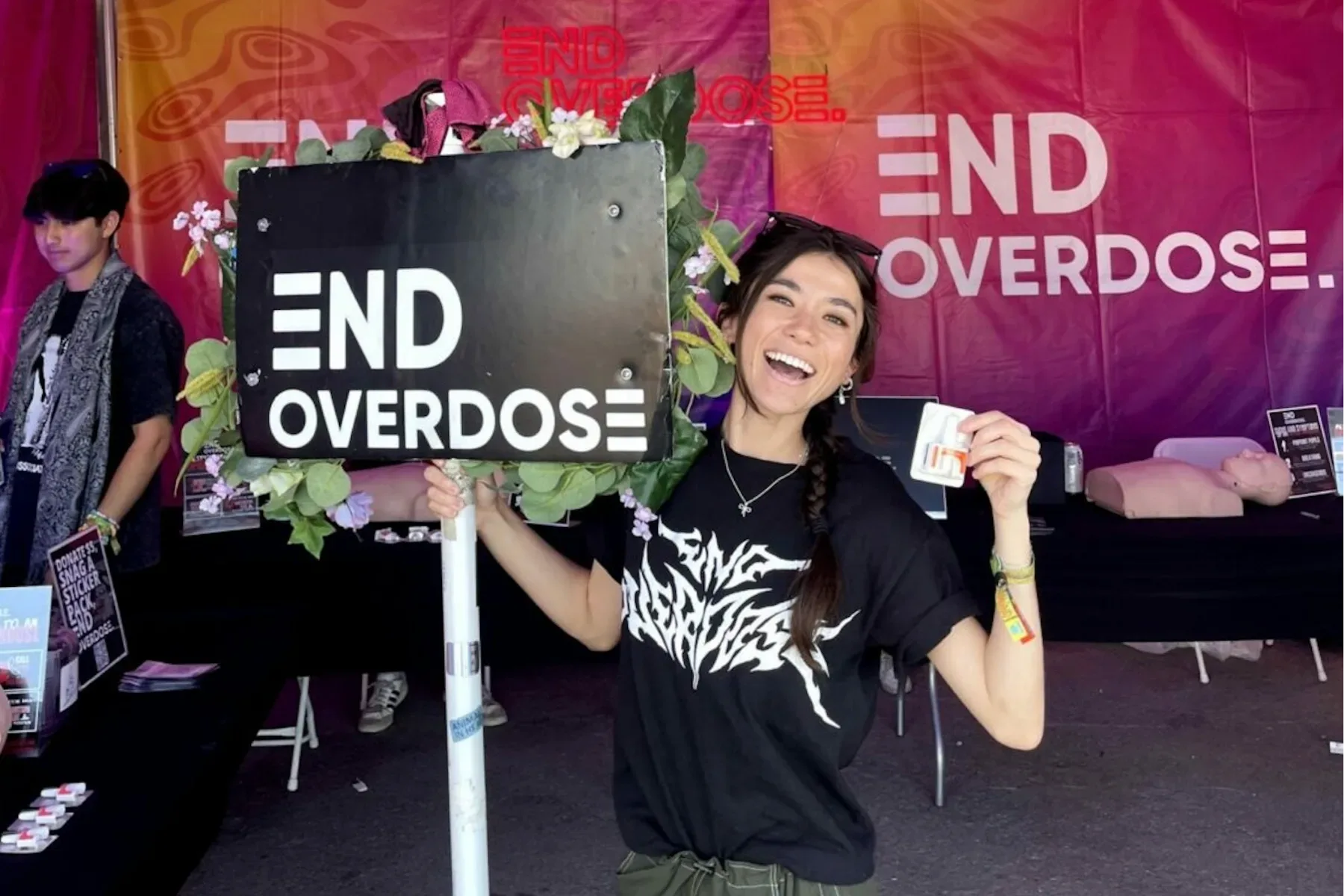
The stakes of this technology gap aren’t just administrative – they are human. Nowhere is this more evident than in the fight against the North American opioid crisis.
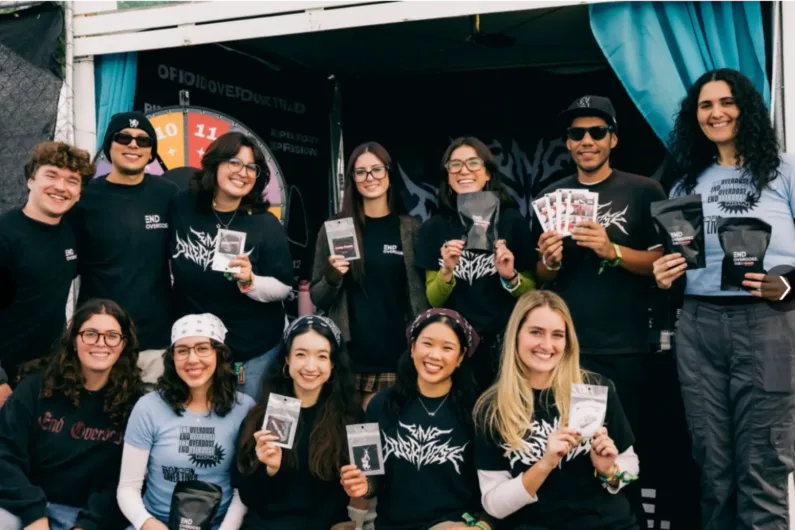
When Maddie Ward (COO of End Overdose) set out to mobilize a response, she wasn’t just looking for a way to sign people up; she needed to build a national workforce across 50+ locations. These weren’t just “helpers”—they were life-savers.
By moving beyond basic management and implementing Rosterfy’s automation and branding tools, End Overdose achieved what many thought impossible:
150% Growth: They scaled their national volunteer base to thousands of supporters.
50% Admin Reduction: By automating communications and training certifications, their lean team could focus on the mission, not the paperwork.
A Unified Movement: Using custom-branded portals, every volunteer—regardless of their location—felt like an integral part of a professional, life-saving movement.
The story of End Overdose is a reminder that behind every data point is a person trying to save a life or improve a community. Whether it’s the opioid crisis, food insecurity, or environmental protection, these causes rely entirely on the passion of volunteers.
If we provide these “real-life heroes” with clunky, impersonal, and outdated technology, we aren’t just letting our teams down – we are letting the mission down. In 2026, our challenge is to provide an experience that matches the magnitude of the volunteer’s heart.
It’s time to stop just “scheduling” and start empowering.
Want to see the “Recruitment Engine” in action?
Join our upcoming Rosterfy Demo featuring Maddie Ward (End Overdose) to learn exactly how they used automation to double their impact while halving their workload.


Book a short discovery call with our team to learn how Rosterfy can help you deliver more support to your community and feed more families