
Insights and learnings from the RKD Group Food Bank Think Tank
Jim Schwab, Volunteer Systems Consultant for Rosterfy, recently attended the RKD Group Food Bank Think Tank held at the state-of-the-art Feeding Tampa Bay Causeway Center. This 215,000-square-foot facility isn’t just a warehouse; it’s a “Hub of Opportunity” that signals a massive shift in how the sector operates.
As food banks evolve from “distributing groceries” to “providing community support solutions,” the infrastructure behind the scenes is becoming more sophisticated than ever. Jim sat down with industry leaders to discuss how technology and systems are the new front lines in the fight against hunger.
Why food banks are “Leveling Up” their systems
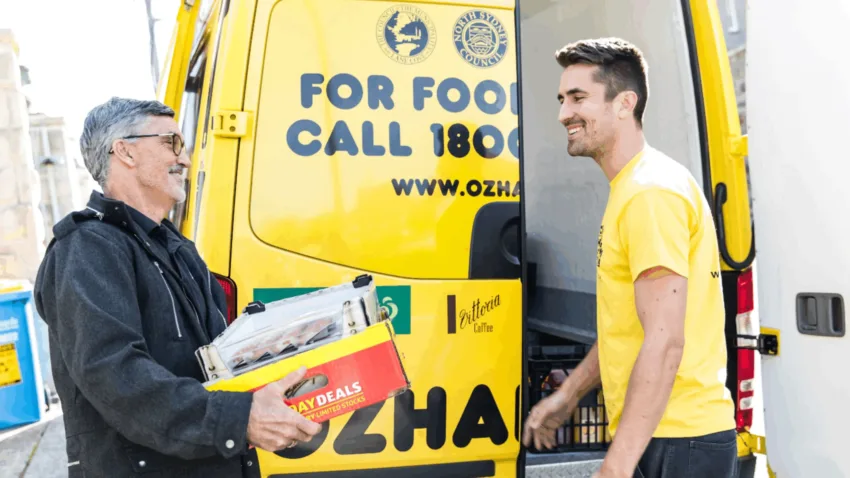
The “status quo” is no longer enough. Leading organizations like Houston Food Bank, Maryland Food Bank, Blessings of Hope, and OzHarvest are making record-breaking investments in their digital infrastructure.
The challenges driving this change are clear:
- The “Perfect Storm” of demand: 2026 brings an expansion of SNAP work requirements, meaning thousands more individuals will be seeking volunteer opportunities to maintain benefits.
- Operational efficiency: With food costs rising and labor shortages hitting the nonprofit sector, manual processes (spreadsheets and emails) are becoming a liability.
- The “Alongside Services” model: Food banks are now offering healthcare, financial literacy, and job training. Managing a workforce that supports these diverse services requires a centralized “single source of truth.”
Their communities benefit greatly from the kind support of donations, volunteers and the dedicated people behind the scenes pulling everything together. This added demand and increased complexity has come at a cost – extra pressure to deliver.
This is why these industry giants are turning to Rosterfy. By automating the volunteer journey – from background checks to real-time reporting – they are saving thousands of administrative hours and reinvesting that “time-wealth” back into their communities.
Jim’s Top 5 takeaways from the Think Tank
- From food bank to community portal: Facilities are being designed as “malls” of social services. We aren’t just moving pallets; we’re moving people toward stability.
- The rise of the “Meal Business”: There is a strategic pivot toward production kitchens. Feeding Tampa Bay’s 11,000-sq-ft kitchen proves that prepared, nutritious meals are the future of dignified food assistance.
- Data as a strategic asset: The ability to track volunteer demographics and impact in real-time isn’t a “nice-to-have” anymore; it’s essential for securing funding and proving efficacy to donors.
- Removing barriers to entry: As volunteer requirements increase, onboarding must be frictionless. Technology must cater to everyone – from tech-savvy students to those without smartphones only this will ensure no one is locked out of the mission.
- Efficiency is the new currency: Reducing the cost per meal by 20–25% (as seen in Tampa) is only possible through high-tech logistics and automated volunteer management.
RKD Group Food Bank Think Tank
Jim’s advice: Moving from “Drowning in admin” to “Supplying and thriving”
Digital transformation can feel daunting, especially when your team is currently buried under a mountain of spreadsheets, emails, and manual admin. However, Jim Schwab emphasizes that the best time to start is now – before your program scales even further.
“To succeed in 2026, you have to build for the program you want tomorrow, not just the one you’re struggling to manage today,” says Jim. “Many Rosterfy users have seen their programs grow several times over, and that only happens when the foundation is digital-first.”
Jim’s Top Tips for starting the journey:
- Map the mission, not just the task: Don’t just look at how you check people in. Map out your entire mission, your current capabilities, and where the “friction” lives for your volunteers.
- Involve your stakeholders early: Communication is the heartbeat of a successful rollout. Get your mission team, your long-term volunteers, and your board involved in the conversation from Day 1.
- Position tech as part of the mission: Efficiency isn’t “corporate talk” – it’s how you feed more people. Celebrate the launch of a new system as a win for the community, not just the IT department.
- Create a sensible delivery plan: You don’t have to change everything overnight. Start with a clear roadmap. With Rosterfy, you’re in experienced hands; we’ve walked this path with hundreds of organizations to ensure a smooth transition.
Free resource: Build your business case for a better volunteer platform
Your volunteers deserve a world-class experience, but getting leadership on board requires a solid plan. To help you take that first step, we’ve developed a practical guide to help you cover the basics, align your team, and secure the investment your program needs to thrive in 2026.
Download: Build a Business Case for a Better Volunteer Experience
REQUEST A DEMO
Unlock the potential of your food bank volunteer programme
Book a short discovery call with our team to learn how Rosterfy can help you deliver more support to your community and feed more families